At the end of my previous post, I said how my whole adventure with AI began was a story for next time. But this week, I came across an interview with the novelist George Saunders on On Substack, and it made me want to take a detour and pull this topic forward.
Saunders won the Booker Prize, and he refuses to touch AI in his writing. He tried it once, early on, asking it to write in his voice; what came back was dull and literal, and he lost interest. To him, the struggle of wrestling with your thoughts isn't a nuisance to be automated away.
"Writing is the most precious way one person can communicate their essence to another person," he said. Only through the hard work of trying to articulate what you mean do you truly discover what you actually think. Confronted with AI shortcuts that spit out a résumé in seconds or draft a novel from an outline, he poses a simple question: "Did you have a sufficient hand in it?"
That question made me pause and think for a while.
I've worked as a landscape architect for more than twenty years. Every day on the job, I have to clearly articulate the user experience of a physical space. I also blogged in Chinese for years and wrote two books. Telling stories has never been hard for me. But writing these blog posts in English—while teaching design, hosting Meetup social events, and running my Instagram @love.in.hongkong, shooting and editing reels—I am genuinely stretched thin. There are so many things I want to do, but only so much time. So I need to figure out a more efficient workflow.
In Vibe Coding Week 3, I mentioned that I developed an AI workflow that helped six posts come together in two weeks. So, because I brought AI onto my creative team, does my involvement no longer count? Whose words are you actually reading?
A Writing Competition
When I first tried having Claude help me draft an article, the result was disappointing. It basically took the messages I sent it word for word and cleaned up the grammar. The sentences weren't wrong, but they read like a transcript—flat, literal, and dull. I rejected the draft on the spot. Returned to sender.
So I decided to run an experiment: an informal writing competition. I took the exact same brief and material and handed them to two different AI writers: Claude, and a new AI agent. I opened a fresh chat window for each, hoping neither would carry any preconceived baggage or context into the brief. I wanted to see what each could produce from the exact same raw material.
The two drafts could not have been more different.
The new AI agent wrote quickly, turning in a draft in about three minutes that ran well past the word count I asked for. Its writing had energy, and its Chinese phrasing was remarkably natural—sounding just like how a Taiwanese speaker talks, very close to my own voice. It preserved my core meaning, and in some spots, said it even better than I had. But it also looped back on itself in repetitive circles, and it had a habit of embellishing. Some of its additions were good, but some were terrible, or outright wrong. In one passage, it turned my parents' small retail shop in Taiwan into a grocery shop out of nowhere. My family has never run a grocery shop in our lives. The detail sounded completely normal, though, so an outsider reading it would never notice anything off—even though it was entirely fabricated by the AI.
Claude is a... serious AI. It took four times as long and turned in fewer words than I requested. Its draft was tighter and opened on a sharper hook, and it stayed strictly within the facts. I couldn't find a single fabricated detail, and it even listed six lines of its own phrasing for me to double-check. Its weakness is that it can be too cautious, treating my notes like gospel. That's why my very first try with it read like a transcript.
That Friday, after our morning class, I had lunch with my colleague Sylvia. I told her about the competition. She laughed and asked, "So, who won?"
"Nobody won," I told her. Both had strengths and weaknesses. Instead of picking one over the other, I merged the best parts of both into a working base and started revising and rewriting it. That piece eventually became "Nowhere Near the Ivy League".
I also mentioned that the agent sounded much more like the way I normally speak, and Sylvia joked that maybe it was because the agent is a girl.
Rounds and Rounds
People often imagine that writing with AI means typing a prompt, pressing a button, and pasting the result. Or they assume it's just fancy spellcheck. Neither idea is right.
Every post here starts with my own words.
Whenever an idea strikes, I type raw fragments of stories into messages for Claude—my memories, arguments, epiphanies, and unvarnished facts, sometimes just stray thoughts that surface while I'm doing something else entirely. Those words are saved verbatim to become the brief given to the two AI writers.
Once the drafts come back, I pick the stronger one as the foundation and combine the best parts of both. That's when the real heavy lifting begins. I revise the draft over and over, starting with the Chinese first. I cut the fluff, delete bizarre hallucinated details like that "grocery shop," smooth out awkward phrasing, and adjust the rhythm so it doesn't sound like I'm rambling. Then I hand that refined version back to the AI to smooth out again. That cycle repeats several times. In the final version, some sentences remain exactly as I originally said them, while others have been polished into something punchier and more precise. But every story, every fact, every reflection, and every viewpoint came out of my own mouth.
Before all this, I never really understood what a ghostwriter does. Now I get it.
Over lunch, Sylvia also mentioned recent controversies in academia, where papers have been questioned for being AI-generated—one author was so careless that they left the AI's polite chatbot filler right in the text. That isn't just lazy; it's sloppy, and it shows no respect for your own work.
So I explained to Sylvia how I actually write. I treat AI like an editor, or a sparring partner in the ring. That is completely different from letting AI write for you. It helps me organize my thoughts and fixes my grammar, but it isn't "writing for me"—not in the sense of a piece where I contributed nothing at all.
The Test: No Cheat Sheet
I think the reason people recoil from AI writing is that the text doesn't feel like it came from an actual human being's voice. It feels stitched together out of a prompt and a command.
While writing this way, I noticed something interesting about myself. If you asked me to recite an English paragraph from this blog from memory, I couldn't do it. When I wrote stories in Chinese, I used to replay sentences in my head over and over while commuting or exercising, fine-tuning the rhythm until I could practically recite what I'd written. But with these new English posts, I didn't spend three agonizing days wrestling with every English preposition and vocabulary choice. I don't carry those English sentence structures in my head word for word.
Yet if you ask me about any story on this website—any epiphany, any failure, any turn in my journey—I can answer in a split second, crystal clear, walking you through detail after detail.
I don't need a cheat sheet at all.
I've seen presenters who stand before an audience, eyes glued to their phone screens, reading off the display because they didn't write what's in front of them. But I can tell all of my stories without notes, because they are my own lived experiences. The words on the screen are just a better English translation, communicating that experience more clearly. And every single post is something I edited and proofread myself before it ever went live.
The Old-Fashioned Way, Just Faster
Recently, I prepared a lecture for my students on how to use AI to find design problems. The new AI agent brainstormed with me and even made a few slides for me, but they were bare-bones, just a title and a sentence each, which made it hard to explain design theory clearly. So I built the slides my own way: a 103-slide deck in the end, full of images, after many rounds of adjustments.
A colleague saw the finished presentation, and knowing I was experimenting with AI, naturally assumed the whole deck had been generated by AI. She couldn't understand why there was a phone on the slide, or how one click made a video start playing inside its screen.
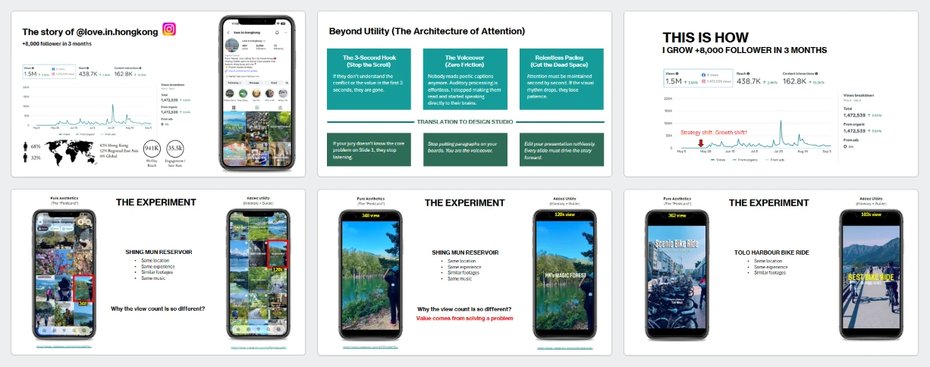
I explained to her that there is no magic AI button. The phone frame, the dynamic effects, the pacing of the story—they were all done the old-fashioned way: copying, pasting, and tweaking layouts step by step to simulate animation. On the final slide, I stated it plainly: "This entire presentation is powered by my AI Sparring Partner." The agent had initially suggested "co-created," but I didn't accept that. I'm the creator. It was simply an assistant in the corner.
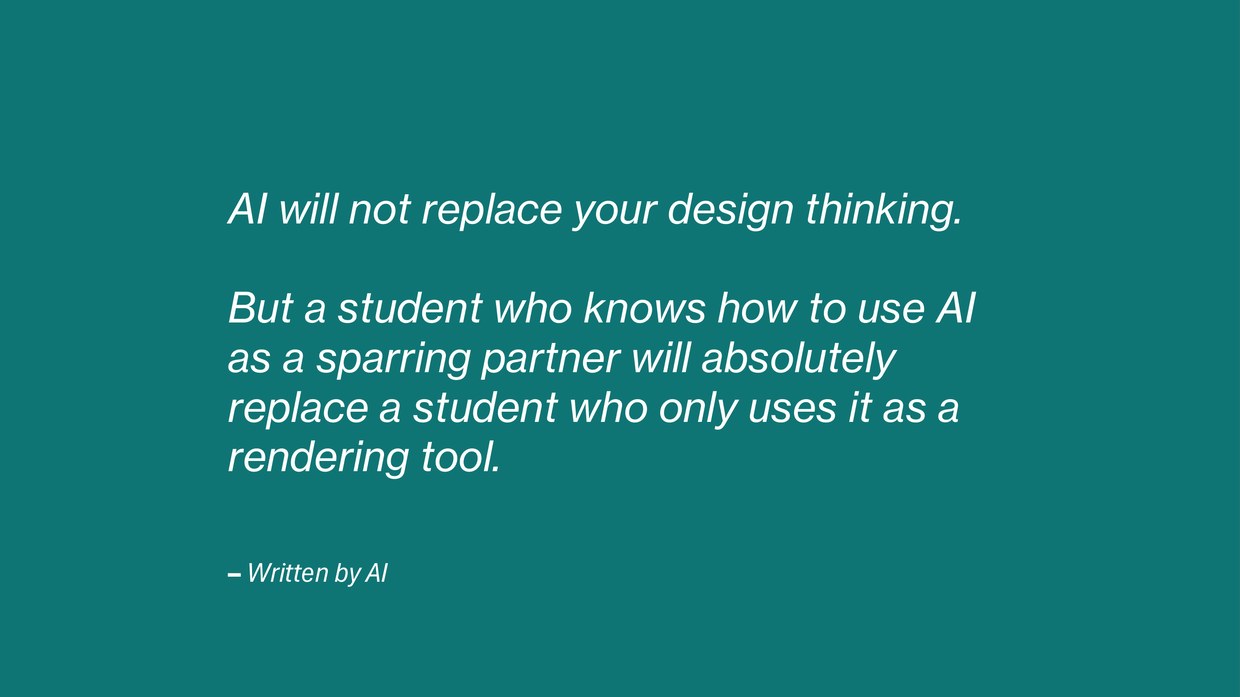
For some reason, the moment people hear you're using AI, they assume you're slacking off and letting the machine generate everything—or they think you're an AI master with some all-powerful agent that produces polished work for you. That simply isn't true.
I am still doing things the old-fashioned way, step by step. Just faster.
What Has Changed Is the Reader, Not Just the Tool
Saunders worries that the constant stream of bite-sized reading on our phones is eroding our taste. His concern is completely valid. But as a designer, I'm used to thinking through the lens of user experience. If people have shorter attention spans today and don't like reading long walls of text, then I should adapt how I write and remove the friction that gets in the way of reading. After all, if I want people to read what I write, shouldn't I find a way to get my voice into their heads? Otherwise, I'm just talking to the empty room.
I follow the exact same logic on my Instagram account, @love.in.hongkong. The core observations I share haven't changed, but I've shifted the rhythm and "the way I speak" so people can actually hear me.
Whose Writing Is This?
So, for these posts written with AI's help, whose writing is this?
The idea behind this whole blog, The Weakest Superhero—embracing my flaws and finding a way around them, instead of trying to become strong—didn't come from AI. I came up with it. AI never went through twenty years of professional trial and error, so it could never have reached that conclusion. It just organized my notes and helped me get my drafts down faster. But I don't believe that makes my writing the AI's. My ideas, my stories, and my way of explaining things don't suddenly belong to a machine.
Do these posts possess high literary value? I am not sure. After all, I'm just documenting a personal journey of fumbling in the dark, stubbing my toes, and slowly making out the shape of things.
Every stumble, every epiphany, and every cut and revision passed directly through my own hands. AI helped me clear the weeds along the path, but the trail itself is one I walked, step by step, with my own two feet.
I am that Weakest Superhero.
不用小抄
兩位 AI 寫手、一百零三張投影片,和文字到底屬於誰
在上一篇文章結尾,我提到「我怎麼開始用 AI」這件事要留到下一篇再聊。不過,這星期,我在 On Substack 上讀到小說家喬治・桑德斯(George Saunders)的一篇專訪,讓我忍不住想先聊一下這個話題。
桑德斯拿過布克獎,他堅持寫作絕不碰 AI。他很早以前試過一次,請 AI 模仿他的口吻寫,結果又平淡又死板,他就沒興趣了。對他來說,苦思的掙扎不該是被省掉的麻煩。
「寫作是一個人向另一個人傳達自己本質最珍貴的方式,」他說。只有在努力「把想法說清楚」的過程中,你才會真正看清自己想的是什麼。面對用 AI 幾秒鐘生成履歷、照著大綱寫完小說的捷徑,他提出了一個質問:「你有沒有真正參與其中?」(Did you have a sufficient hand in it?)
這個問題也讓我想了一陣子。
我做了二十多年的景觀建築師,每天都要清楚表達這個空間的使用者體驗。我也曾用中文寫過多年部落格,也寫了兩本書,所以,說故事對我來說,從來不是難事。但要用英文寫這些文章,每週還要教設計、主辦社團活動,以及經營我的 IG @love.in.hongkong,拍攝跟編輯短影音,我是實實在在的分身乏術。想做的事情很多,但是時間只有這麼多。所以,我得發展出新的做事方法才行。
我在〈Vibe Coding 第三週〉提過,我發展出一套 AI 協作的工作流程,兩個星期寫出了六篇文章。所以,因為我讓 AI 加入我的創作團隊,我的參與就不算數了嗎?讀者現在讀到的,究竟是誰的文字?
一場寫作比賽
一開始我試著讓 Claude 幫我起草文章,結果很失望。它基本上只是把我傳給它的訊息逐字記下來,把文法改對。句子沒錯,但讀起來就像逐字稿一樣平淡死板。我直接拒絕這篇文章。退貨。
於是我做了一個實驗:辦一場寫作比賽。我把同一份寫作說明與素材,同時丟給兩個不同的 AI 寫手,一個是 Claude,另一個是新的 AI agent。我在兩個 AI 視窗裡頭開了新的對話視窗,希望它們沒有先入為主的限制,再接收那份寫作說明與素材。我想看看給出同樣的素材,它們能寫出什麼。
這兩份草稿差別非常大。
那個新的 AI agent 寫得很快,三分鐘就交稿,字數還遠遠超過我要的。它的文字很有活力,中文用詞非常自然,說話語氣跟我很接近,且它保留了我的原意,某些部分還說得更好。但它也會鬼打牆地重複段落,而且有一個毛病:喜歡加油添醋,有些加得不錯,有些很糟,甚至是錯的。在其中一段,它把我爸媽在屏東開的小店,莫名其妙改成一家雜貨店。我家從沒開過雜貨店。但是這個細節聽起來很正常,所以外人絕對看不出來有啥問題。即使那是 AI 捏造出來的。
Claude 是個……嚴肅的 AI。它花了四倍的時間,產出的字數卻比我要求的少。它的草稿較精簡,開頭的切入點比較漂亮,而且它嚴守事實,我找不到任何捏造的細節,它甚至列出了六句它自己潤飾的句子讓我檢查。它的缺點是有時太拘謹,把我的筆記當成聖旨照單全收,所以我第一次找它寫的時候,才會讀起來像逐字稿。
那個星期五早上上完課,我和同事 Sylvia 一起吃午餐,我跟她聊起這場寫作比賽。Sylvia 聽了笑著問我:「所以最後誰贏了?」
「沒有人贏。」我說。兩邊都有優點和缺點。所以我沒有選邊站,而是把兩邊最好的部分拼在一起做成底稿,自己從頭開始大修。那一篇最後成了〈離常春藤很遠很遠〉。
我又說,那個 agent 寫得比較像我平常講話的樣子,Sylvia 開玩笑說,可能因為它是女生吧。
一遍又一遍的修改
很多人以為跟 AI 一起寫作,就是丟個提示詞、按個按鈕複製貼上。或者以為它只是高級文法檢查。這兩種想法都不對。
這裡的每一篇文章,都是從我自己的文字開始的。
每當我有靈感,我就會把隨手冒出來的零碎故事打成文字傳給 Claude,裡面有我的回憶、論點、頓悟和事實,有時候只是做別的事情時突然想到的零星片段。這些內容會一字不差地存下來,成為給兩個 AI 寫手的寫作說明。
等兩份草稿回來,我挑出比較好的那份當底稿、把兩份的精華合併之後,真正的苦工才剛開始。我會對著底稿一遍又一遍修改,先修中文,刪掉廢話,把「雜貨店」這種莫名其妙冒出來的字詞或段落刪除,把彆扭的語句修順,調整節奏,免得聽起來像在碎碎念。然後再把這個調整過的版本交給 AI,再順一次。這步驟重複了好幾次,最後的稿子,有些句子完完全全保留我最初的說法,有些則被修得更精確有力。但所有的故事、事實、反思與觀點,全都是我說出來的。
以前我一直不懂「代筆」到底是什麼意思,現在懂了。
吃午餐時,Sylvia 也提到最近學術界常有論文被質疑是 AI 寫的,甚至有人粗心到把 AI 對使用者的客套話直接留在正文裡。這不只是懶惰,這是敷衍隨便,代表這個人根本不尊重自己的工作。
所以我跟 Sylvia 解釋了我是怎麼寫的。我是把 AI 當成編輯或對打、陪練對手。這跟讓 AI 替你寫,完全是兩碼子事。它幫我整理、幫我改文法,但它不是在「替我寫」,不是那種「我什麼都沒產出」的寫法。
不靠小抄的考驗
我覺得大家看見 AI 文章會反感,是因為那些文字不是來自某個人自己的話,而是從一個指令、一個要求拼湊出來的。
在寫作過程中,我也發現了一件很有意思的事。如果你叫我從腦袋裡默背出這個網站上的任何一段英文段落,我是背不出來的。以前寫中文故事時,我會在通勤或運動時,在腦海裡一遍又一遍推敲每句話的起承轉合,所以,當時我可以背出我寫出來的文章。但現在,我確實沒有花三天去死嗑每一個英文介系詞和單字。所以我腦海裡沒有存著那些英文逐字句型。
可是,如果你問我這個網站上的任何一個故事、任何一次頓悟、任何一段心路歷程,我可以秒速回答,清清楚楚的,告訴你好多好多細節。
我完全不需要小抄。
我看過一些上台簡報的人,眼睛死盯著手機螢幕唸稿,因為那些內容不是他們寫的。但我可以不靠小抄講出全部的故事,因為那是我自己的經歷。網頁上的文字,只是用比較好的英文,把那段經歷說得更清楚而已。而且每一篇,都是我自己編輯、校對過才放上來的。
老派的方法,只是更快
最近我替學生準備了一堂講座,主題是如何用 AI 找出設計問題。過程中,那個新的 AI agent 跟我一起腦力激盪,還貼心地幫我做了幾張投影片,不過都很陽春,每張只有標題和短短一句話,很難把設計理論解釋清楚。所以我用我自己的方法做投影片,最後做出一份一百零三頁的簡報,圖文並茂,其中包含很多輪的調整過程。
我同事看到這份簡報,知道我最近在研究 AI,很自然地以為這份簡報是 AI 自動生成的。她搞不懂投影片上為什麼有一支手機,而且一按,影片就在手機螢幕裡播放了。
我跟她解釋,根本沒有什麼神奇 AI 魔法按鈕。手機外框、動態效果、說故事的節奏,全都是我用老派做法,一步一步複製貼上、微調排版,模擬動畫效果,這樣做出來的。在簡報最後一張,我也坦白寫上:「This entire presentation is powered by my AI Sparring Partner.」(本簡報由我的 AI 陪練夥伴支援。)那個 AI agent 本來建議我寫「共同創作」,我沒接受。畢竟我才是創作者,它只是協助的夥伴。
不知道為什麼,大家一聽到我們在用 AI,就以為是偷懶,讓 AI 生成一切;或是以為我很會用 AI、有一個很強的 AI agent,才做得出這麼精緻的東西。其實不是。
我依然是用老派的方式做事,按部就班,只是速度變快了。
改變的是讀者,不只是工具
桑德斯擔心現代人在手機上的碎片化閱讀會磨損我們的品味。他的顧慮完全有道理。但身為設計師,我習慣從使用者體驗思考。如果現代人的注意力變短了,不喜歡讀長文,我就應該改變我的寫作方式,拿掉那些影響閱讀的阻力。而且,如果我想要有人讀我寫的東西,我不是應該想辦法,讓我的聲音進入他們的腦袋嗎?不然只是在對空氣講話。
我在經營 Instagram 帳號 @love.in.hongkong 時也是一樣的邏輯。我想傳達的核心觀點從未改變,但我換了一種節奏去表達,換一種「說話方式」,讓他們能聽到我的聲音。
文字到底屬於誰
所以,這些用 AI 輔助寫出來的文章,文字到底屬於誰?
這個部落格叫「最弱的超級英雄」,核心想法是擁抱自己的缺點、想辦法繞道而行,而不是硬逼自己變強。這個想法不是 AI 生成的,而是我提出來的。AI 沒有經歷過二十年職場上的跌跌撞撞,也就不可能得出這個結論。它只是幫我整理檔案,更快把草稿擬出來,但我不覺得這樣我的文章就變成 AI 的。我的想法、我的故事、我解釋事情的方式,都不會因此變成 AI 的。
這些文章有沒有崇高的文學價值?這很難說。畢竟我只是在記錄一個在黑暗裡摸索、摔倒、慢慢把路看清的個人過程。
而這裡的每一次挫折、每一次頓悟、每一次刪改,全部都是從我手中走過一遍的。AI 替我撥開了路邊的雜草,但整條山路,是我自己一步一步踩出來的。
我才是那個「最弱的超級英雄」。